
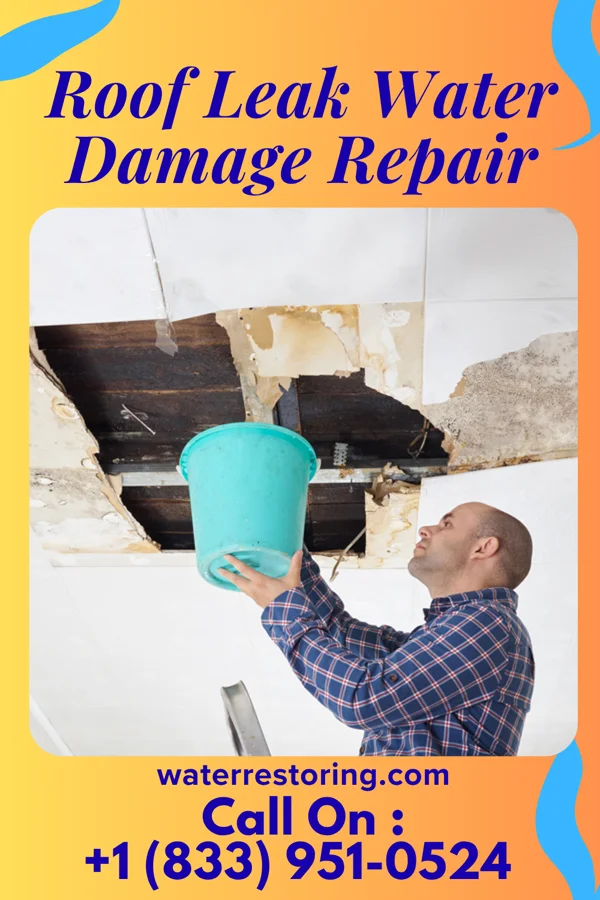
Common Roof Leak Causes in Columbia City
Most roof leak water damage repair calls in Columbia City come from Columbia City, Indiana experiences frequent spring and summer thunderstorms that can lead to sudden heavy rainfall, increasing the risk of roof leaks. The region's humid climate also contributes to prolonged moisture exposure, which can weaken roofing materials over time. These weather patterns are common in the Tri-Lakes area, where sudden downpours are not uncommon.. A close second is In the fall, Columbia City may see strong winds and occasional heavy rain, which can cause damage to roofing systems, especially on older or improperly maintained homes. Winter snowfall, while less frequent, can add significant weight to roofs, leading to structural stress and potential leaks.. If you know what is about to happen, the decisions during the first 48 hours get a lot easier.
The humid summers and frequent storms in Columbia City create an environment where roof leaks can develop quickly. This climate also increases the risk of mold growth and secondary water damage if leaks are not addressed promptly.
Most roof leak water damage repair calls in Columbia City come from Columbia City, Indiana experiences frequent spring and summer thunderstorms that can lead to sudden heavy rainfall, increasing the risk of roof leaks. The region's humid climate also contributes to prolonged moisture exposure, which can weaken roofing materials over time. These weather patterns are common in the Tri-Lakes area, where sudden downpours are not uncommon.. Running a close second is In the fall, Columbia City may see strong winds and occasional heavy rain, which can cause damage to roofing systems, especially on older or improperly maintained homes. Winter snowfall, while less frequent, can add significant weight to roofs, leading to structural stress and potential leaks.. Local mold risk: In Columbia City, mold can begin to grow within 48 hours of water exposure, making prompt roof leak repairs essential. Prolonged moisture can lead to structural damage, health concerns, and increased insurance claims.